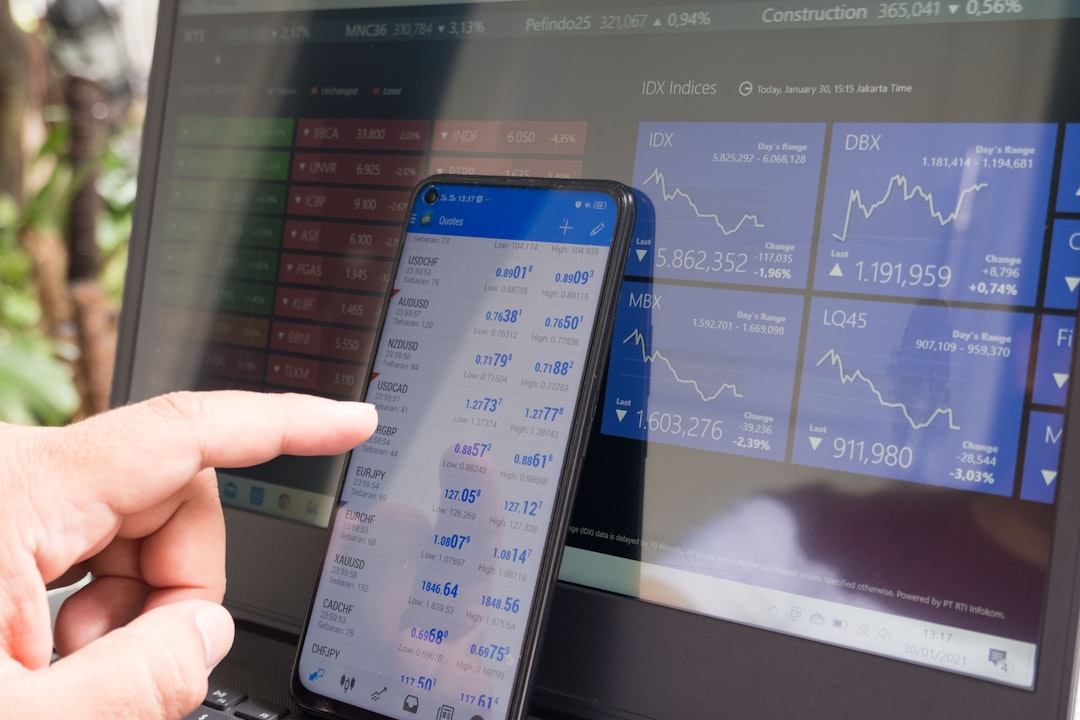
Trading in the currency market requires preparation, analysis, and a clear understanding of price movements. Successful traders do not rely only on market predictions; they use structured methods to evaluate opportunities and manage possible risks. Forex Trading Strategies provide a framework that helps traders make organized decisions, improve consistency, and develop a better approach toward market participation.
A trading strategy is a planned method that defines how a trader analyzes conditions, identifies potential opportunities, and manages positions. Without a proper strategy, decisions may become influenced by emotions, leading to inconsistent results. A well-designed approach helps traders remain focused and follow a disciplined process.
How Can Trading Strategies Improve Market Performance?
Market performance depends on many factors, including analysis skills, risk control, and decision-making abilities. A strong trading strategy helps traders understand market behavior and create a repeatable process.
Instead of making random decisions, traders can use strategies to evaluate market conditions before taking action. This allows them to identify possible entry points, determine suitable exit levels, and manage their overall trading approach.
Improved performance does not come from one single method. It develops through continuous learning, practice, and adapting strategies according to changing market conditions. Traders who maintain discipline and review their decisions regularly can improve their skills over time.
What Are the Main Types of Forex Trading Strategies?
Different traders use different strategies based on their goals, experience, and preferred trading style. Some approaches focus on short-term opportunities, while others are designed for longer market movements.
Short-term strategies involve analyzing smaller price movements and making decisions within shorter periods. These methods require quick analysis and strong attention to market changes.
Long-term strategies focus on broader trends and larger market movements. Traders using these methods often spend more time studying market conditions and waiting for suitable opportunities.
Both approaches require proper planning. The best strategy depends on individual preferences, market understanding, and the ability to manage risk effectively.
How Does Trend Analysis Help Traders?
Understanding market trends is one of the basic elements of forex trading. Trends show the general direction of price movement and can help traders identify possible opportunities.
Trend-based strategies involve studying whether a market is moving upward, downward, or staying within a range. By recognizing these patterns, traders can make decisions that align with current conditions.
However, trends can change unexpectedly. Traders should combine trend analysis with other methods to create a more balanced approach. A complete strategy considers multiple factors rather than depending on a single signal.
Why Is Price Action Analysis Important?
Price action analysis focuses on studying market movements and understanding how prices behave. Many traders use this method because it provides insight into market psychology and possible future movements.
By observing price patterns, support areas, resistance levels, and market reactions, traders can develop a better understanding of trading conditions.
Price action strategies require practice and experience. Traders need to learn how to interpret movements correctly and avoid making decisions based on incomplete information.
How Can Technical Analysis Support Forex Strategies?
Technical analysis uses market data and historical price information to identify possible patterns. It helps traders evaluate market behavior and create structured trading plans.
Many technical approaches focus on indicators, charts, and price movements. These tools can assist traders in identifying potential trends, measuring momentum, and analyzing market conditions.
Technical analysis should be used as part of a complete strategy. Combining technical understanding with proper risk management can create a more effective trading approach.
What Role Does Risk Management Play in Forex Trading?
Risk management is one of the most important parts of any trading strategy. Even experienced traders can face unsuccessful trades, which makes controlling risk essential.
A proper risk management plan helps traders decide how much they are willing to risk and how they will handle possible losses. This creates a balanced approach and prevents emotional decisions.
Successful traders understand that protecting capital is as important as finding opportunities. A strategy without risk control may create unnecessary challenges and reduce long-term consistency.
How Can Fundamental Analysis Improve Trading Decisions?
Fundamental analysis focuses on economic factors that can influence currency movements. These factors may include economic conditions, market developments, and financial trends.
Traders who use fundamental analysis study broader market influences to understand possible price changes. This approach can provide valuable information about long-term market direction.
Combining fundamental analysis with technical methods allows traders to view the market from different perspectives. A balanced approach can improve decision-making and provide deeper market awareness.
Why Is Discipline Important for Successful Trading?
A good strategy is only effective when traders follow it consistently. Discipline helps traders avoid emotional decisions and maintain control during changing market conditions.
Many trading mistakes occur when individuals abandon their plans because of fear or excitement. Staying committed to a strategy allows traders to evaluate results more objectively.
Developing discipline requires patience and practice. Traders should focus on improving their process rather than expecting immediate results from every trade.
How Can Traders Choose the Right Strategy?
Selecting a suitable strategy depends on several factors, including experience level, trading goals, and available time. There is no single method that works perfectly for every trader.
Beginners often benefit from simple strategies that focus on understanding basic market concepts. More experienced traders may prefer advanced approaches that involve detailed analysis.
Testing different methods and reviewing performance can help traders discover what works best for their style. Continuous improvement is an important part of becoming more effective in the market.
What Are Common Mistakes Traders Should Avoid?
Many traders struggle because they enter the market without proper preparation. Common mistakes include trading without a plan, ignoring risk management, and making decisions based on emotions.
Another mistake is changing strategies too frequently without giving them enough time for evaluation. A strategy requires proper testing and adjustment before determining its effectiveness.
Learning from mistakes is an important part of growth. Traders who analyze their decisions and improve their methods can develop stronger skills over time.
How Can Practice Improve Forex Trading Skills?
Practice allows traders to understand how strategies work in different market conditions. By reviewing previous decisions and studying outcomes, traders can identify strengths and weaknesses.
Consistent learning helps traders improve their analytical abilities and develop greater confidence. Market knowledge grows through experience, observation, and continuous improvement.
A disciplined practice routine allows traders to refine their strategies before applying them in real situations. Preparation creates a stronger foundation for better decision-making.
Why Is Adaptability Important in Forex Trading?
The currency market is constantly changing. Conditions that work in one situation may not always produce the same results in another environment.
Adaptability allows traders to adjust their strategies according to new market conditions. Flexible traders are better prepared to handle different situations and improve their overall approach.
A successful strategy should not remain fixed forever. Regular evaluation and improvement help traders stay connected with market changes.
How Can Multiple Strategies Be Combined Effectively?
Some traders use a combination of different methods to create a more complete trading approach. Combining trend analysis, technical tools, fundamental understanding, and risk management can provide a broader view of market conditions.
A balanced strategy considers various factors before making decisions. This reduces dependence on one method and allows traders to evaluate opportunities more carefully.
However, combining too many techniques can create confusion. Traders should focus on methods that complement each other and support clear decision-making.
What Is the Future of Forex Trading Strategies?
The trading environment continues to develop as technology and market knowledge improve. Traders now have access to more tools and information that can support their decision-making process.
Future strategies will continue to focus on efficiency, analysis, and responsible risk management. The ability to adapt and learn will remain essential for traders who want to improve their performance.
A successful trader understands that strategies are not guaranteed solutions but valuable frameworks for making better decisions.
Final Thoughts on Forex Trading Strategies?
Effective trading requires planning, discipline, and continuous improvement. Forex Trading Strategies provide traders with structured methods for analyzing markets, managing risks, and improving their decision-making process.
The most successful approach is one that matches a trader’s goals, experience, and risk tolerance. By combining analysis, preparation, and consistent practice, traders can create a stronger foundation for navigating currency markets. A well-developed strategy helps transform trading from uncertain decisions into a more organized and thoughtful process.