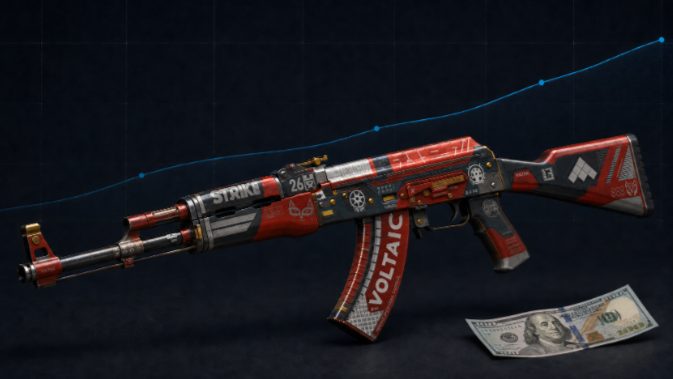
In most games, cosmetic items are decoration. Counter-Strike 2 skins have become something more. They do not improve weapon performance, yet design, rarity and demand have turned them into widely traded collectibles.
A simple customization system grew into an ecosystem of marketplaces, price trackers, collectors and third-party platforms. The weapon works exactly the same, but players view the item differently.
From Weapon Finishes to Collectibles
Weapon finishes arrived through the Arms Deal update in 2013. The original system introduced themed collections and gave players new ways to personalize their weapons.
Unlike many cosmetics, CS2 skins were not locked to one account. Users could transfer them and sell eligible items through the Steam Community Market for Steam Wallet funds. They also came in different rarity levels and collections.
That gave them two roles. A skin was both a visual choice inside the game and an exchangeable item outside a match. Players began comparing availability, condition and market interest alongside appearance.
What Gives a CS2 Skin Its Value?
There is no single formula that determines what a skin is worth. Its price comes from supply, demand and characteristics specific to each item.
Supply matters first. Some finishes are widely available, while others come from discontinued collections or limited sources. When a popular skin becomes harder to find, buyers can pay more for it.
Condition can separate two copies of the same design. CS2 skins carry a wear value, with categories such as Factory New, Minimal Wear and Field-Tested. A cleaner example or lower float can attract a higher price.
Some finishes apply their pattern differently to each item, producing uncommon color placements. Collectors can value one pattern more highly even when the skin name and condition are similar.
Scarcity alone is not enough. A skin still needs buyers, and designs for frequently used weapons generally have a larger audience. Professional players, content creators and major events can also draw attention to particular finishes.
An Ecosystem Built Around the Items
Once prices became visible and items could move between accounts, services appeared around them. Players use price databases, trading communities and third-party platforms to compare items, prices and availability.
Resources such as FreeSkinsHub review third-party platforms in the CS2 skin ecosystem by looking at who operates them, how clearly their rules are explained and whether important information can be verified.
Those checks matter. A polished interface does not prove reliability. Users need clear information about ownership, fees, item-transfer rules, account requirements and support. Vague terms and hidden conditions create unnecessary risk.
Digital Value Creates Security Risks
The popularity of CS2 skins has made Steam inventories attractive targets for scammers. Common methods include fake trading websites, impersonated support accounts, misleading trade offers and phishing pages designed to capture Steam login details.
The most effective scams imitate familiar services. A copied website can appear legitimate, while a fraudulent account can impersonate a known trader or invent an urgent inventory problem.
Basic checks make a major difference. Users should confirm domain names, inspect every offer, enable Steam Guard and ignore account instructions from strangers. Steam protects CS2 items for seven days after a trade and lets users reverse recent protected trades after an account compromise. It is useful, but prevention still matters: a reversal affects all protected trades and temporarily restricts trading and Steam Community Market access.
More Than a Passing Gaming Trend
CS2 skins have lasted because they combine personal expression, collectibility and transferability inside a large community. Players can equip them, build an inventory around them or exchange them for something else.
No skin has guaranteed value, and prices can change quickly. Even so, the economy surrounding these items is no longer a minor feature of Counter-Strike. It continues because players agree that differences in rarity, wear, pattern and demand matter.
That is what turns a cosmetic item into a collectible with a recognizable market. It also explains why transparency and security are essential wherever CS2 items change hands. The more value players place on their inventories, the more important it becomes to understand the platforms and people involved in every transaction.